

If you’ve been searching for a cosmetic dentist in Little Rock, you may have noticed that most results focus on whitening or veneers. Our practice takes a different path. At Symmetry Modern Dentistry, we look at how your face, airway, and bite work together, because jaw pain, restless sleep, and orthodontic concerns often trace back to the same root causes.
What Sets Our Practice Apart
Rather than treating isolated symptoms, we examine facial growth patterns, muscle function, and airway health as connected systems. This means your visit isn’t just about your teeth. It’s about understanding why your jaw aches, why sleep feels incomplete, or why a child’s bite isn’t developing as expected. You can meet the clinicians behind these evaluations, including Dr. Stephen Deal, on our team page.
What Is TMD and Airway-Focused Dentistry
TMD, or temporomandibular disorder, involves pain and dysfunction in the jaw joint and surrounding muscles. It often overlaps with sleep-disordered breathing and orthodontic irregularities, since the muscles controlling your jaw also influence how you breathe at night and how your teeth align over time. Instead of addressing these as separate problems, our approach connects the dots between TMD symptoms, airway restriction, and facial development. Myofunctional therapy plays a part here too, retraining tongue posture and muscle habits that affect both bite and breathing.
What Happens During Your First Visit
Your first appointment starts with a conversation. We ask about sleep patterns, jaw discomfort, and any orthodontic concerns you or your child may have. From there, the exam typically includes:
- A review of sleep and pain history
- A functional exam covering jaw movement, tongue posture, and breathing
- Clear next steps, including referrals when appropriate
Nothing here is rushed. We want you to leave understanding what we found and why it matters.
Cosmetic Dentist in Little Rock: Why Function Comes First
Many people begin their search for a cosmetic dentist in Little Rock expecting a conversation about appearance alone. Our philosophy is that a healthy, well-functioning bite tends to look better, too. Jaw pain, snoring, or crowded teeth in children are often signals of an underlying functional issue. When we treat the cause rather than just the symptom, results tend to hold up better over time. Adults dealing with jaw tension or fragmented sleep, and parents noticing early signs of orthodontic trouble, both benefit from this connected approach to care.
Five Key Benefits of Treating Function First
- Reduced jaw pain and fewer tension headaches as muscle balance improves.
- More restful sleep when mild breathing disruptions are identified early.
- Orthodontic results reinforced by proper muscle and airway habits.
- Fewer repeat treatments since underlying causes are addressed, not just symptoms.
- Straightforward explanations from a team that coordinates your care from start to finish.
Frequently Asked Questions
What kinds of sleep problems do you screen for?
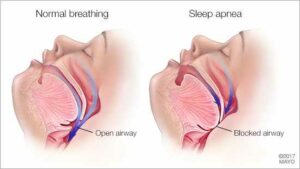
We look for common forms of sleep-disordered breathing, including Obstructive Sleep Apnea, where throat muscles relax and block the airway during sleep, and Upper Airway Resistance Syndrome, a milder condition that still disrupts rest and mirrors OSA symptoms. Depending on what we find, we may recommend testing, an oral appliance, or a referral. More details are available on our sleep apnea page.
How does early orthodontic care make a difference?
Catching alignment or growth concerns early can guide facial development to reduce the need for more involved treatment down the road. Our early orthodontic intervention page explains how timing affects outcomes.
Is surgery required for TMD?
Rarely. Most cases respond well to conservative approaches like muscle therapy, bite adjustments, or night appliances. Surgery is only considered when other options haven’t worked.
How do you coordinate care across specialties?
Our clinical team communicates directly with each other and, when needed, with outside specialists, so you’re not left piecing together advice on your own.
What should I bring to my child’s first visit?
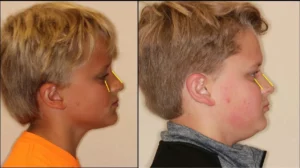
Prior dental records, notes on sleep or breathing habits, and any questions you have. Photos showing facial changes over time can also help us spot growth patterns.
More answers to common questions can be found on our FAQ page.
Where to Find Us
Our office is easy to locate, with directions available through our map listing. We keep contact channels up to date, so scheduling a visit doesn’t become a hassle.
Book Your Evaluation
If jaw pain, disrupted sleep, or early orthodontic signs have been on your mind, reach out and let’s talk through what you’re noticing. A short conversation can point you toward the right next step, whether that’s a screening, a therapy plan, or simply peace of mind. Get in touch through our contact page to set up a time that works for you.